
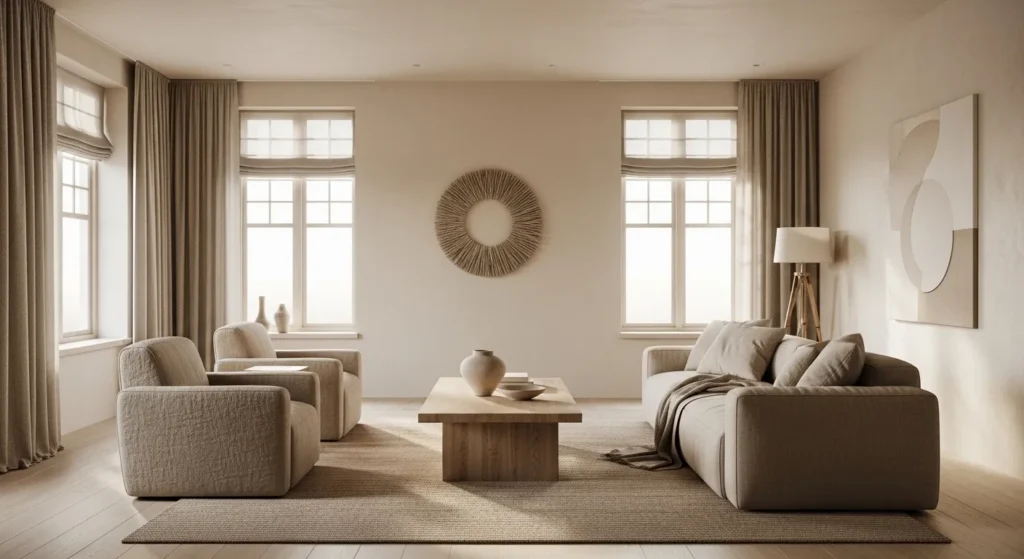
Hello, design lovers! Welcome back to the blog. Today, we are stripping back the noise and diving into one of my absolute favorite design aesthetics: the Beige Minimalist Living Room. I know what some of you might be thinking—”Beige? Isn’t that a little… boring?” Stick with me, because I am about to change your mind completely.
In the world of interior design, beige (specifically that creamy, dreamy hex #F5F5DC) has made a massive comeback, and for good reason. It is no longer the default color of rental apartments; it is the cornerstone of Warm Minimalism. It’s about creating a space that feels like a deep exhale at the end of a long day. If you are looking for Minimalist Living Room ideas that feel spacious yet cozy, modern yet timeless, and curated yet lived-in, you have come to the right place.
This isn’t about having an empty room; it is about intentionality. It is about selecting the right textures to make a monochromatic palette sing. So, grab your coffee (which happens to match our color palette today!), and let’s explore how to turn this humble hue into a high-end sanctuary.
The Psychology of Beige in Your Living Room
Before we start buying furniture, we need to understand the why. Why are we so drawn to beige right now? In a world that feels increasingly chaotic and over-stimulated digitally, our homes need to be the antidote. Beige, often dismissed as safe or vanilla, is actually a psychological powerhouse for calming the nervous system.
Unlike stark white, which can sometimes feel clinical or cold (think art gallery vibes), beige carries an inherent warmth. It is the color of natural fibers—unbleached linen, dried wheat, sand, and limestone. Biophilic design principles tell us that surrounding ourselves with colors found in nature reduces cortisol levels and enhances creativity. When you walk into a room dominated by soft neutrals, your brain receives a signal that it is safe to switch off.
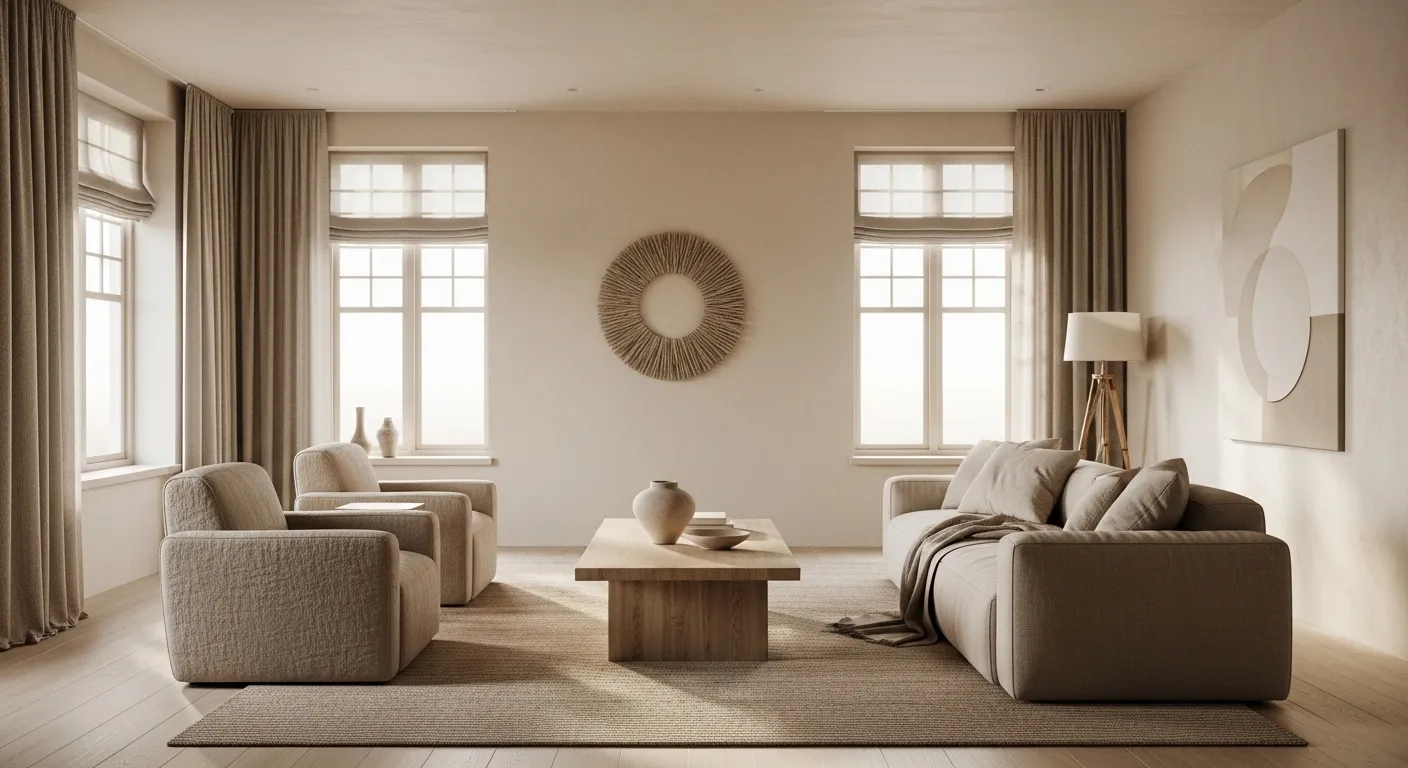
In a minimalist setting, beige serves another crucial function: it acts as a visual silence. When you remove visual clutter and bright, jarring colors, you allow the architecture of the room and the quality of the light to take center stage. This creates a sense of spaciousness, even in smaller apartments. The psychology here is about “essentialism”—creating a space that supports your wellbeing rather than demanding your attention. It’s not just about how the room looks; it’s about how the room makes you feel.
Essential Furniture Elements for Minimalist Living Room Ideas
When executing Minimalist Living Room ideas, the furniture you choose carries the weight of the design. Because there is less “stuff,” every piece acts as a sculpture. The mantra here is “Quality over Quantity.” In a maximalist room, a cheap side table can hide behind a stack of books and knick-knacks. In a beige minimalist room, that table is exposed.
The most important element is the sofa. For this look, we are moving away from sharp, rigid lines and embracing organic curves. A curved sofa in a textured fabric like bouclé or heavy linen softens the room instantly. It invites flow and movement, breaking up the boxy nature of most standard living rooms. Look for low profiles—furniture that sits closer to the ground creates the illusion of higher ceilings and a more relaxed, lounge-like atmosphere.
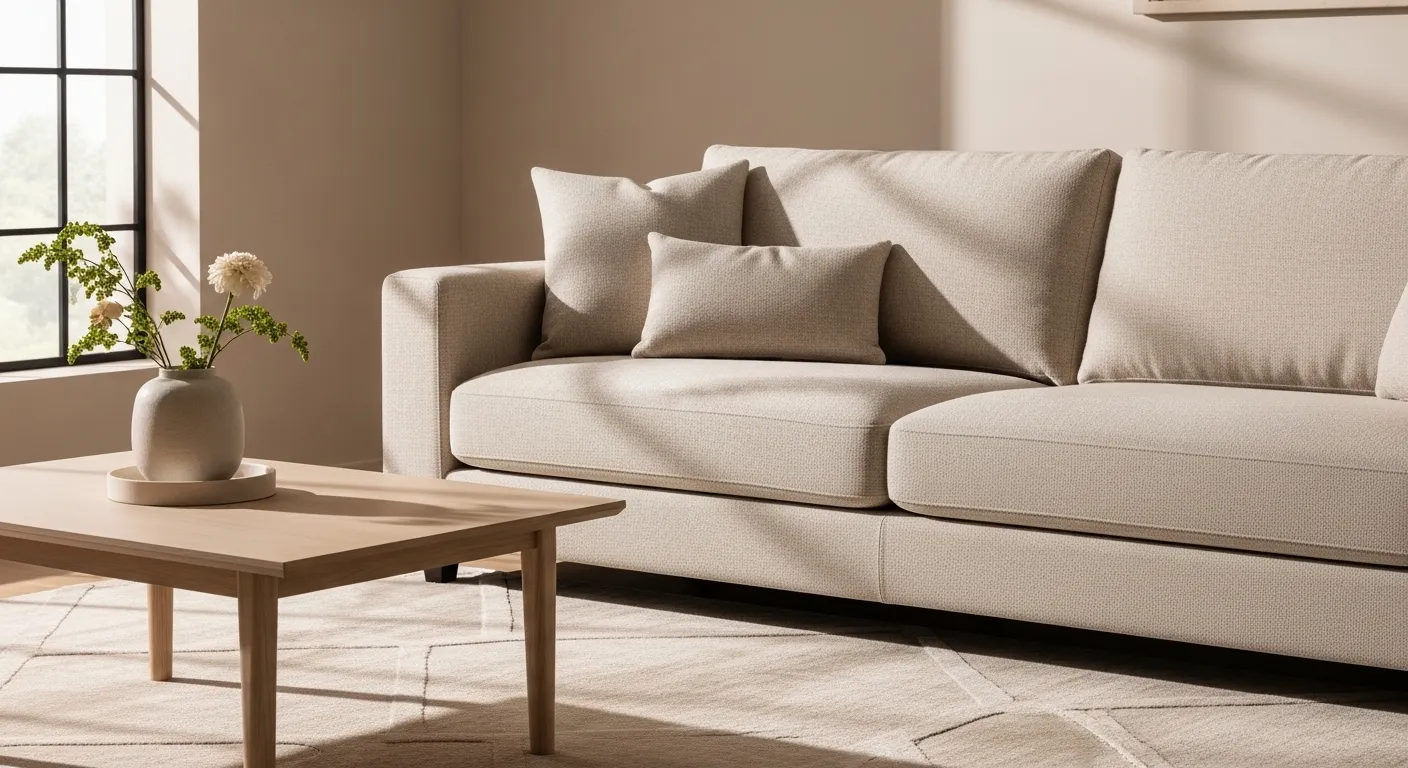
Complement your soft seating with hard materials that provide contrast. Light wood tones, such as white oak or ash, are essential. They bring that organic warmth without darkening the palette. Stone is another non-negotiable for a premium look. Travertine, with its porous texture and sandy beige hues, is currently the darling of the design world. A travertine coffee table creates a stunning focal point that feels ancient yet modern.
Finally, consider the concept of “negative space” as a piece of furniture itself. Don’t feel the need to push furniture against every wall. Floating your sofa and leaving empty corners allows the energy of the room to circulate, reinforcing that airy, minimalist feel.
Color Combinations & Palette Ideas
Monochromatic does not mean monotone. The secret to a successful beige minimalist living room is layering. If everything is the exact same shade of #F5F5DC, your room will look like a band-aid. We need to build a symphony of neutrals.
Start with your base wall color—perhaps a very light, creamy off-white like #F5F1E6. Then, layer in your larger furniture pieces in a slightly deeper tone, like oatmeal or sand (#E3D4C1). From there, you add depth with accessories in darker, earthier tones like camel, taupe, or even a soft terracotta (#BFA98F). This graduation of color creates visual interest and depth.
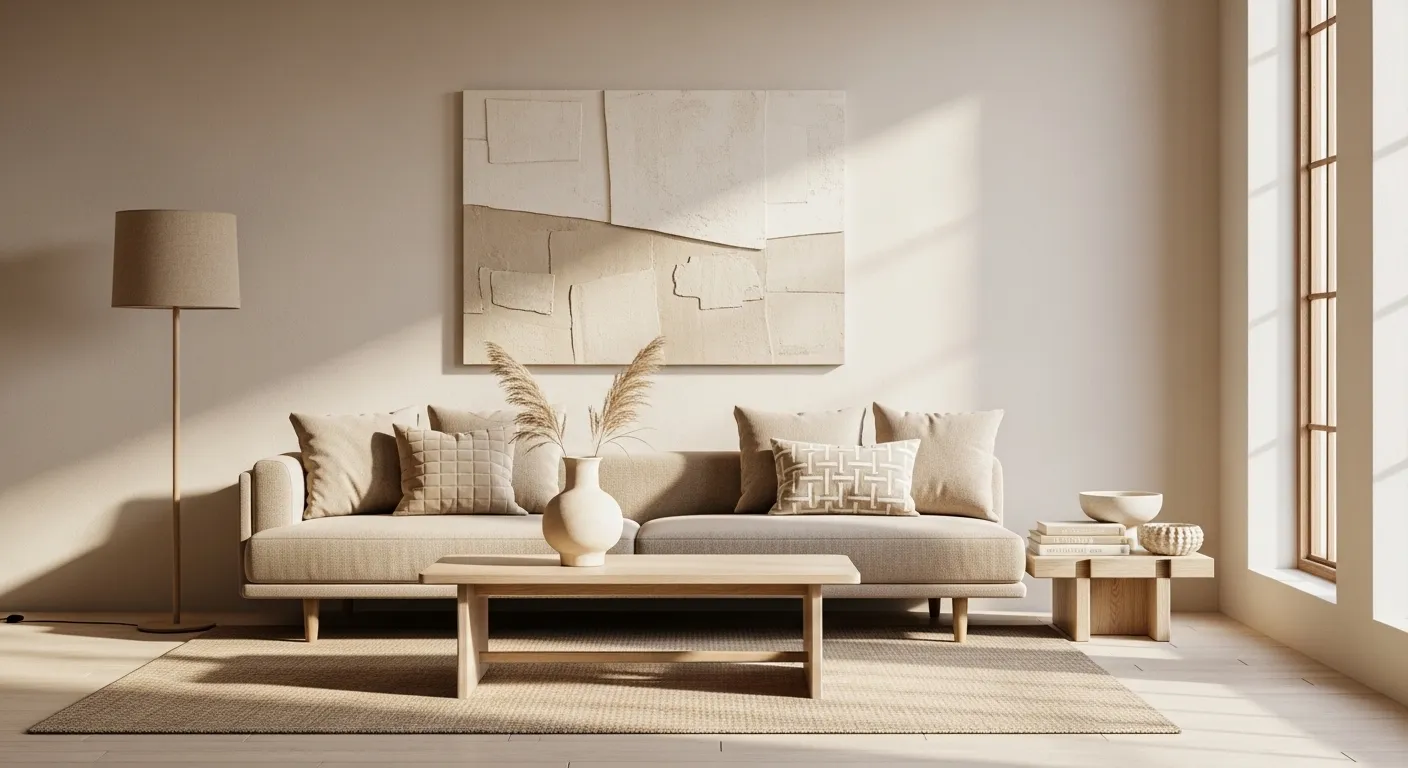
What about accents? While we are keeping things neutral, you can introduce high-contrast elements sparingly. A touch of matte black—perhaps in a slim floor lamp or a picture frame—acts as eyeliner for the room, defining the edges and preventing the beige from floating away. Alternatively, deep olive greens or burnt umbers work beautifully as accent colors because they are earth tones that sit harmoniously next to beige without jarring the eye.
Don’t forget the metallic accents. For a beige room, stay away from cool chrome. Brushed brass, antique gold, or even unlacquered copper add a sense of luxury and warmth that reflects the light beautifully.
Styling Tips & Budget Ideas
Styling a minimalist room is actually harder than styling a maximalist one. You can’t hide behind clutter. Every object needs to justify its existence. The key here is texture. When you remove color, you must add texture. I repeat: texture is your new color.
Mix your materials aggressively. Pair a nubby wool rug with a smooth velvet pillow. Place a rough ceramic vase on a sleek glass table. Combine dried pampas grass with a polished stone tray. This tactile variety engages the senses and makes the room feel rich and layered, even without bright colors.
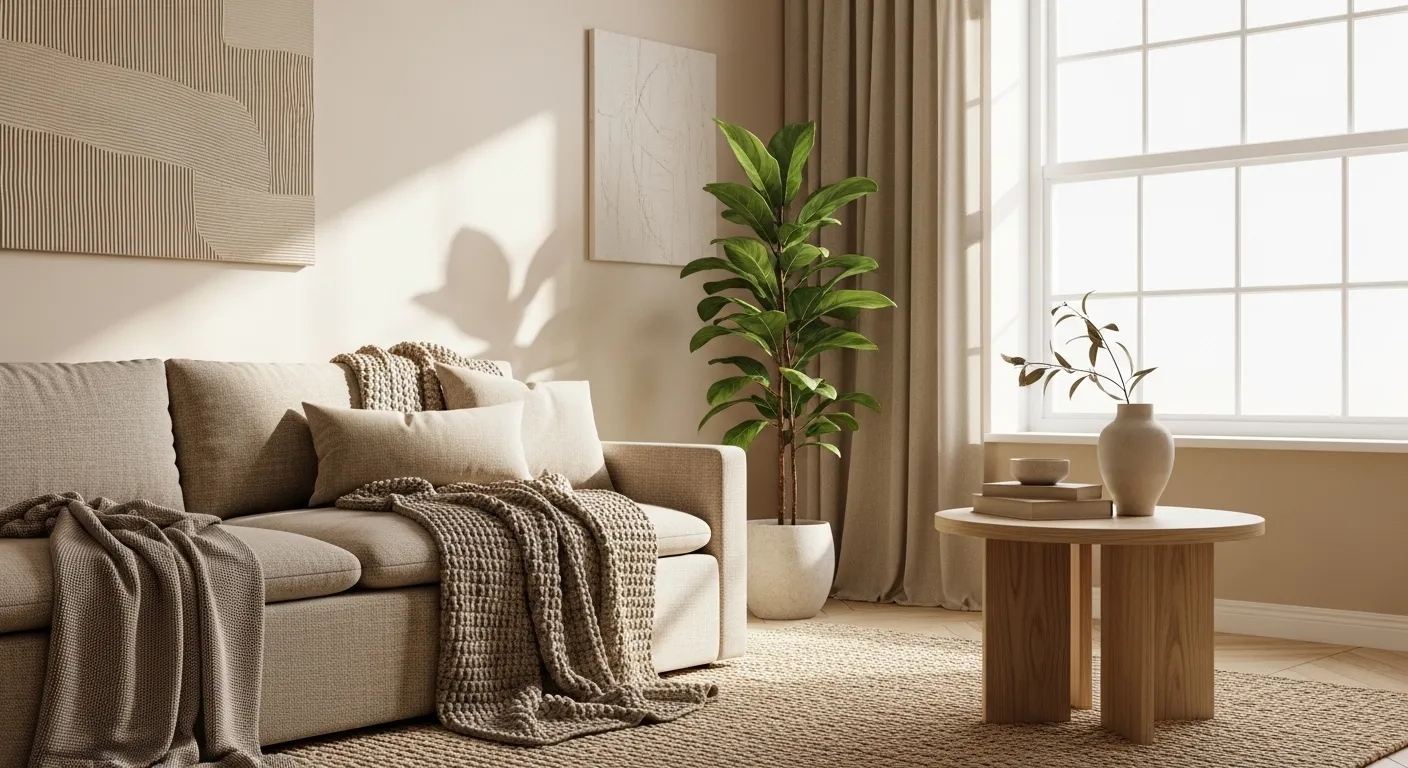
When arranging decor, use the “Rule of Three.” Odd numbers are more pleasing to the eye. A stack of three coffee table books, a trio of varying height candle holders, or three throw pillows on the sofa look more natural than pairs. However, remember the minimalist golden rule: leave space. A shelf does not need to be full. A coffee table needs 50% clear surface area.
How to Recreate These Minimalist Living Room Ideas
Ready to transform your space? Recreating this high-end look doesn’t require a millionaire’s budget, but it does require a plan. Here is a step-by-step guide to achieving the Minimalist Living Room ideas we have discussed, along with a realistic budget breakdown.
Step 1: The Great Purge
You cannot buy your way to minimalism; you have to edit your way there. Start by removing everything from the room. Yes, everything. Only bring back items that fit the beige/neutral palette and serve a distinct purpose or bring you immense joy. If it’s neon, plastic, or cluttered, it goes.
Step 2: The Envelope
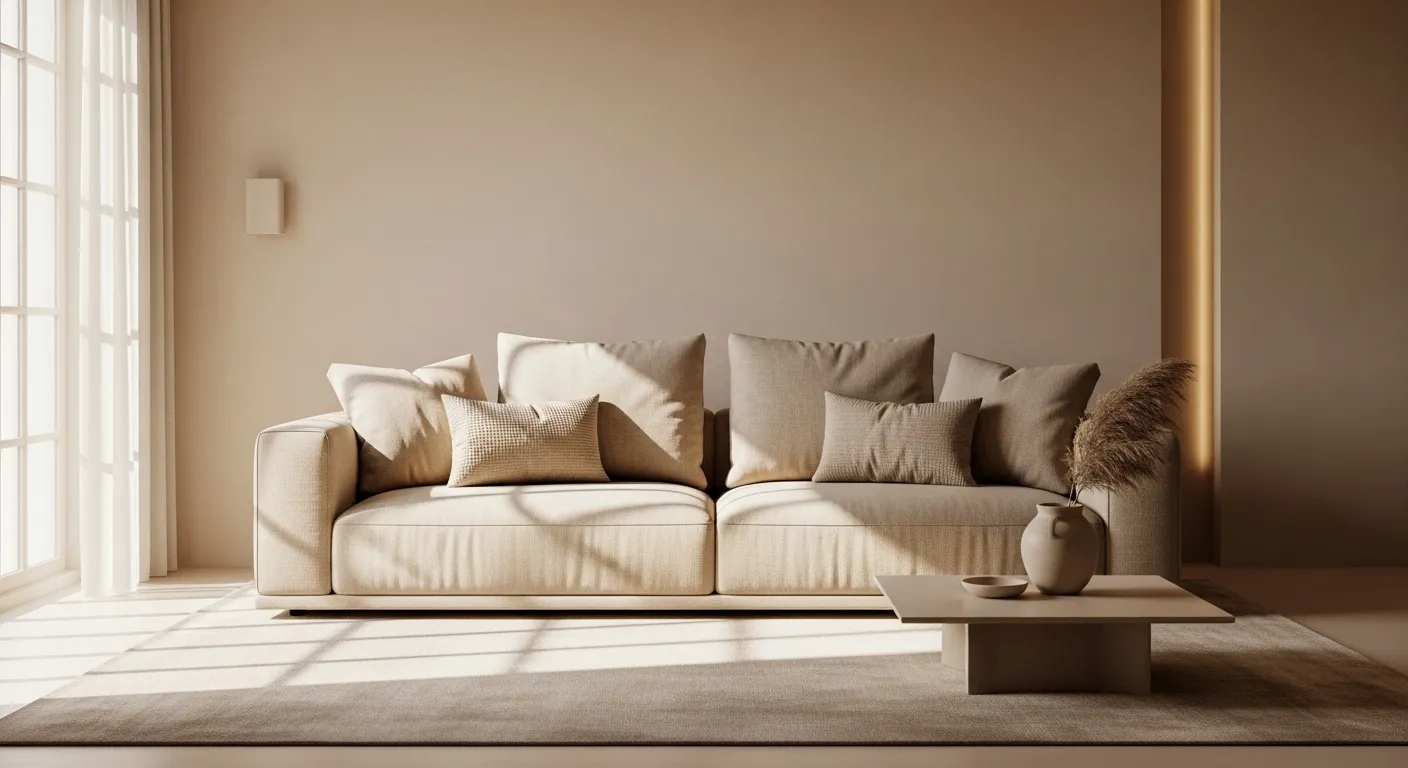
Paint your walls. If your current walls are cool gray or stark white, repaint them with a warm off-white or a very pale beige. This sets the foundation. Ensure your window treatments match the walls—linen curtains in the same hue create a seamless, expansive look.
Step 3: Anchor with Rugs and Sofa
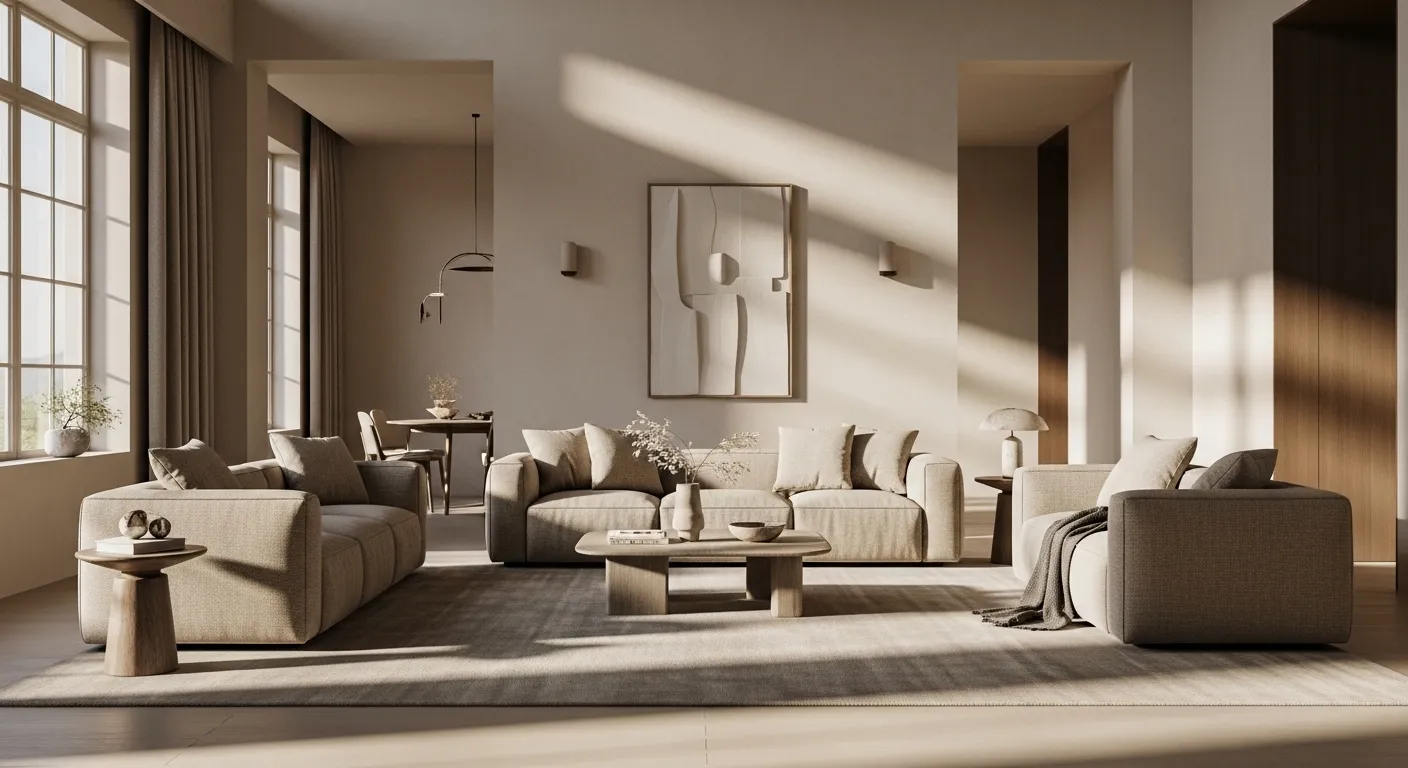
Place a large, textured area rug. It should be big enough that the front legs of all furniture sit on it. Then, bring in your sofa. If you can’t afford a new curved bouclé sofa, consider slipcovering your existing one in a heavy, neutral canvas drop cloth for an instant DIY minimalist hack.
Budget Breakdown
Here is how you can allocate funds depending on your financial comfort zone. Prices are estimates based on current market averages.
| Item | Low Budget (DIY/Thrift) | Mid Budget (Retail) |
|---|---|---|
| Paint & Supplies | $100 | $300 |
| Area Rug (Jute/Wool) | $80 (Secondhand/Synthetic) | $350 (Wool Blend) |
| Sofa/Seating | $50 (Slipcovers) | $1,200 (Entry-level Bouclé) |
| Coffee Table | $40 (Upcycled/Painted) | $400 (Travertine/Wood) |
| Decor & Lighting | $100 (Thrifted vases) | $400 (Designer dupes) |
| TOTAL | ~$370 | ~$2,650 |
Frequently Asked Questions
Is a beige living room hard to keep clean?
Honesty time: Yes, lighter colors show dirt more easily than dark navy or charcoal. However, choosing the right fabrics helps. Look for “performance fabrics” or Crypton blends that resist stains. Washable rug covers and removable sofa slipcovers are a minimalist’s best friend, especially if you have pets or kids.
Will this style go out of fashion?
While trends cycle, minimalism and neutral palettes are largely considered timeless. The specific furniture shapes (like the current obsession with chubby curves) might evolve, but the foundation of a warm, uncluttered, neutral space is a classic design principle that has existed for decades.
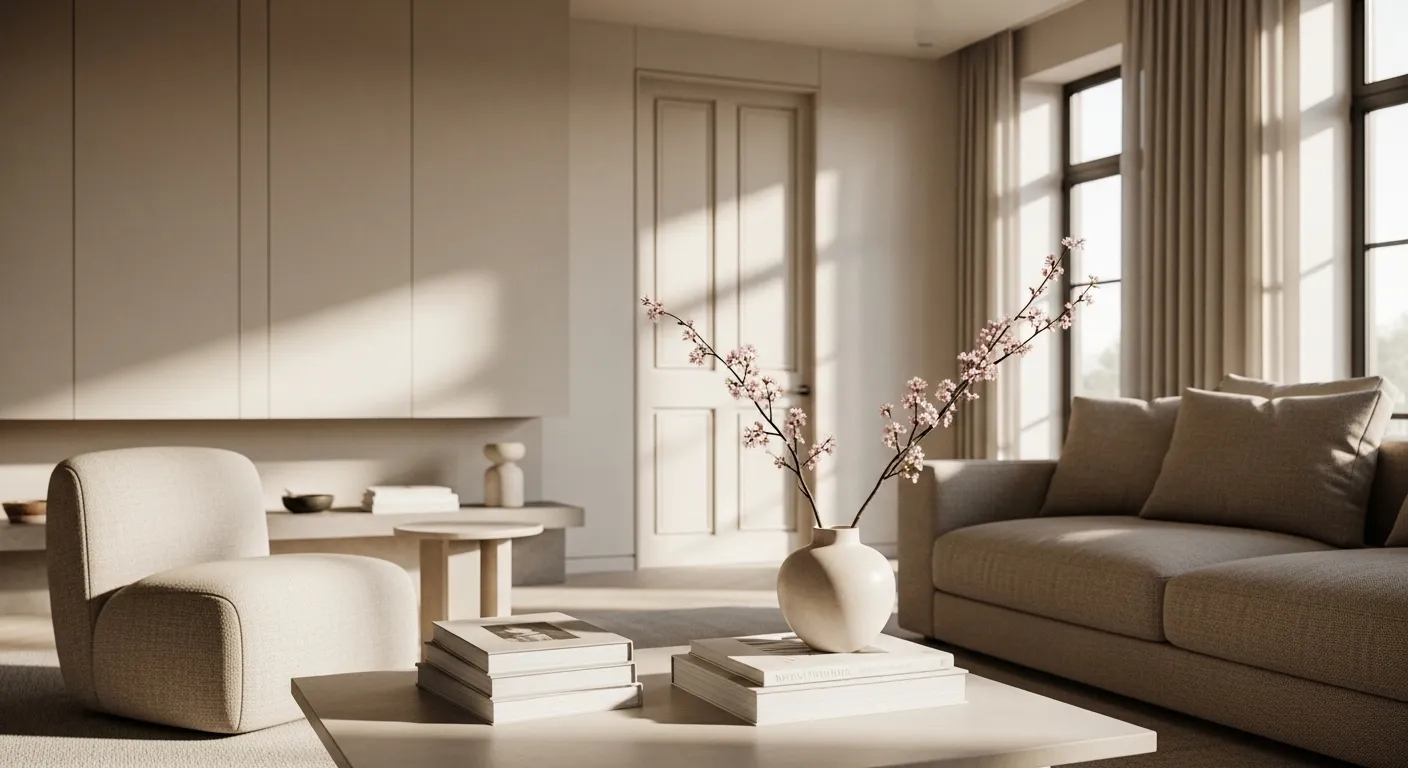
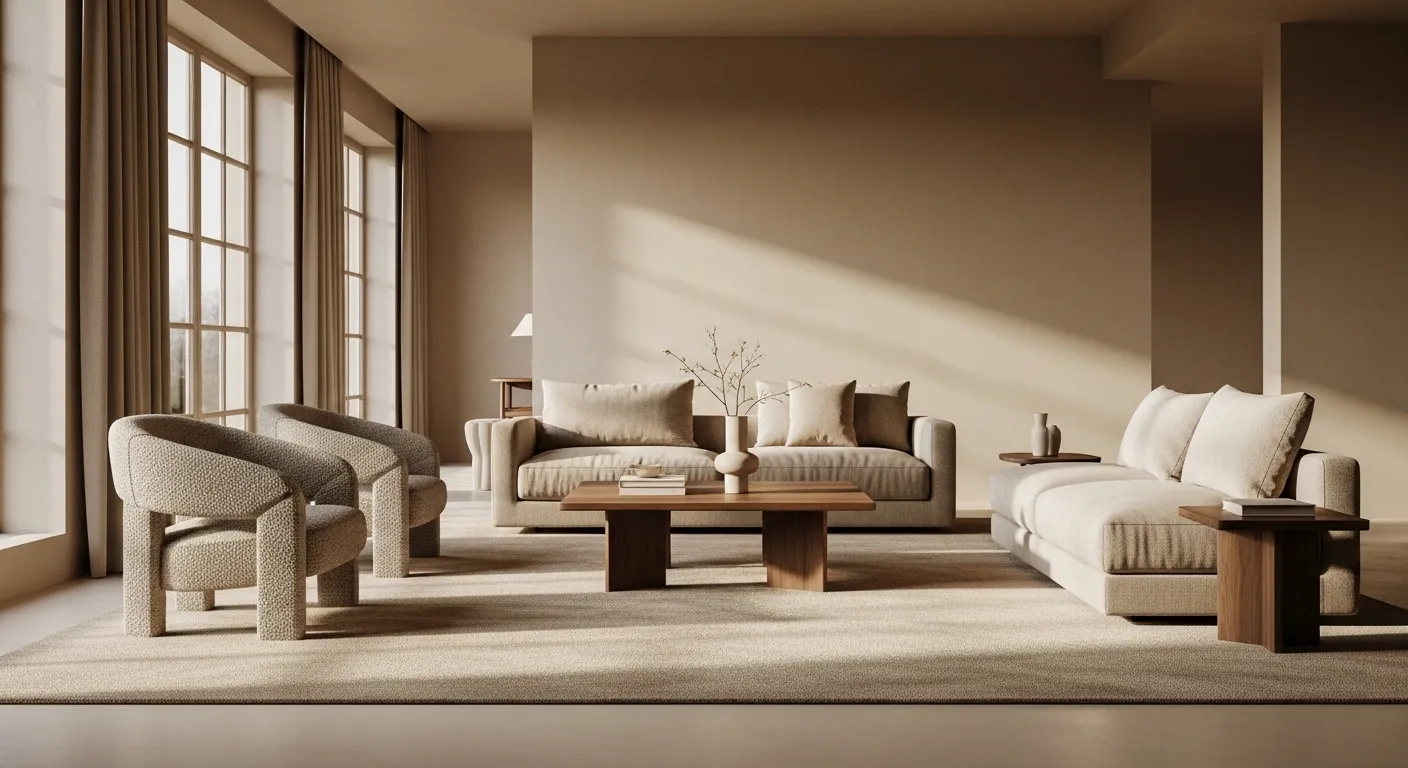
Designing a beige minimalist living room is about so much more than just painting everything cream. It is an exercise in restraint, texture, and balance. By layering organic materials, embracing warm lighting, and curating your furniture with intention, you can create a space that feels sophisticated and incredibly soothing.
Whether you are starting from scratch or just looking to simplify your current setup, remember that your home should be your sanctuary. Implementing these Minimalist Living Room ideas will help you craft a home that doesn’t just look good for Instagram, but feels good for your soul. Happy decorating!