
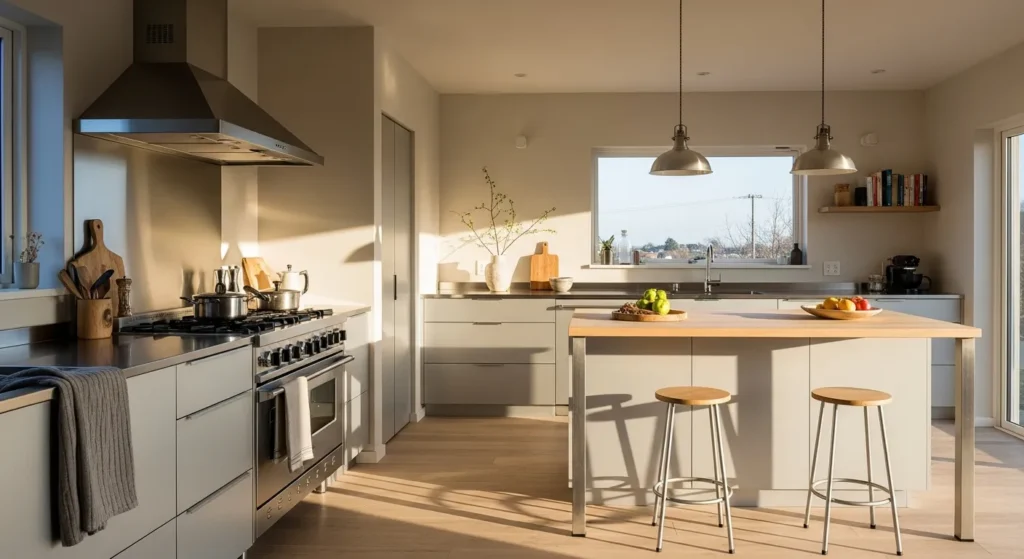

Welcome to the harmonious intersection of Scandinavian functionality and elegant Japanese minimalism. The kitchen is the beating heart of the home, but it often falls prey to clutter, visual chaos, and overwhelming design choices. If you are craving a culinary space that feels less like a busy workshop and more like a tranquil retreat, you are in the right place. When searching for the most serene Japandi Kitchen ideas, the focus is almost always on cultivating balance, and few color combinations achieve this quite like the pairing of warm, natural woods with sleek, reflective silver accents.
While traditional Japandi designs lean heavily on matte black or brass fixtures, introducing silver (#C0C0C0) offers a remarkably fresh, modern twist. Silver acts as a subtle mirror, bouncing natural light around the room while providing a crisp, clean counterpoint to the organic wabi-sabi textures typical of this style. In this comprehensive guide, we will explore exactly how to harness this aesthetic to create an everyday sanctuary that is as practical as it is breathtaking.
#B4B8B9
#E6D5C3
#F5F2EB
#F5F4F0
#D6C7B7
#A8A9AD
The Psychology of Silver in Your Kitchen
When we think of minimalist interiors, we often picture muted earth tones. However, the psychology of color in interior design suggests that incorporating a primary color like silver (#C0C0C0) can profoundly impact our mood. Silver is inherently tied to feelings of clarity, modernity, and sleek sophistication. In a kitchen environment, where cleanliness and efficiency are paramount, silver signals hygiene and order without the starkness of a pure white hospital-like setting.
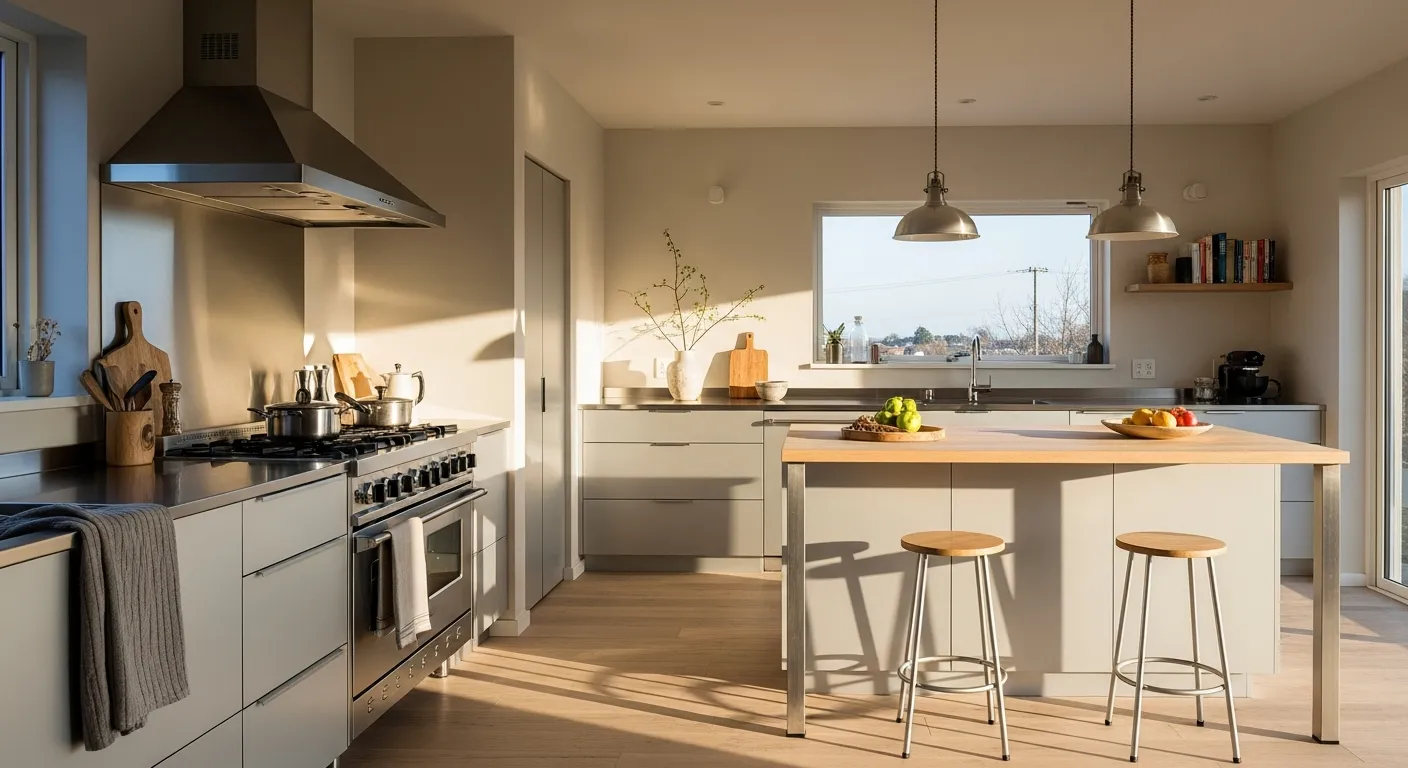
Furthermore, in Japandi design, balancing “yin and yang” is essential. The “yin” is provided by the soft, earthy warmth of light oak and ash, which evokes feelings of grounding and safety. The “yang” is introduced through the cool, crisp metallic presence of silver hardware and appliances. This dynamic tension prevents the space from feeling overwhelmingly rustic or overly clinical. Silver acts as a visual palette cleanser, giving the eyes a place to rest and subtly amplifying the natural light that flows into the room.
Essential Furniture & Decor Elements for Your Japandi Kitchen ideas
Curating the right furniture and architectural elements is the foundation of bringing your Japandi Kitchen ideas to life. This style champions intentionality—every item in the room should serve a distinct purpose while contributing to the overall aesthetic harmony. The silhouette of your furniture should be low-profile, honoring the Japanese tradition of staying grounded and close to the earth.
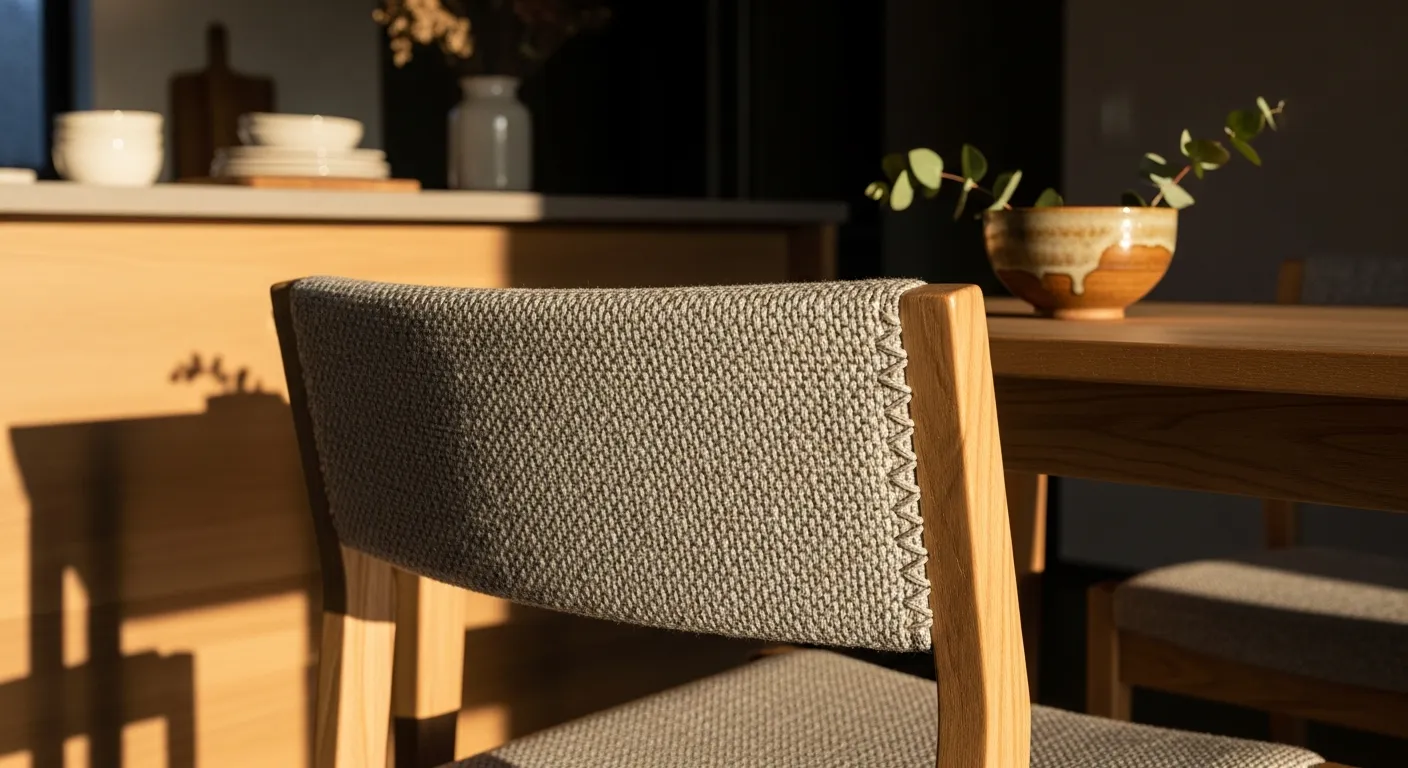
Here are the non-negotiable furniture and decor elements for this aesthetic:
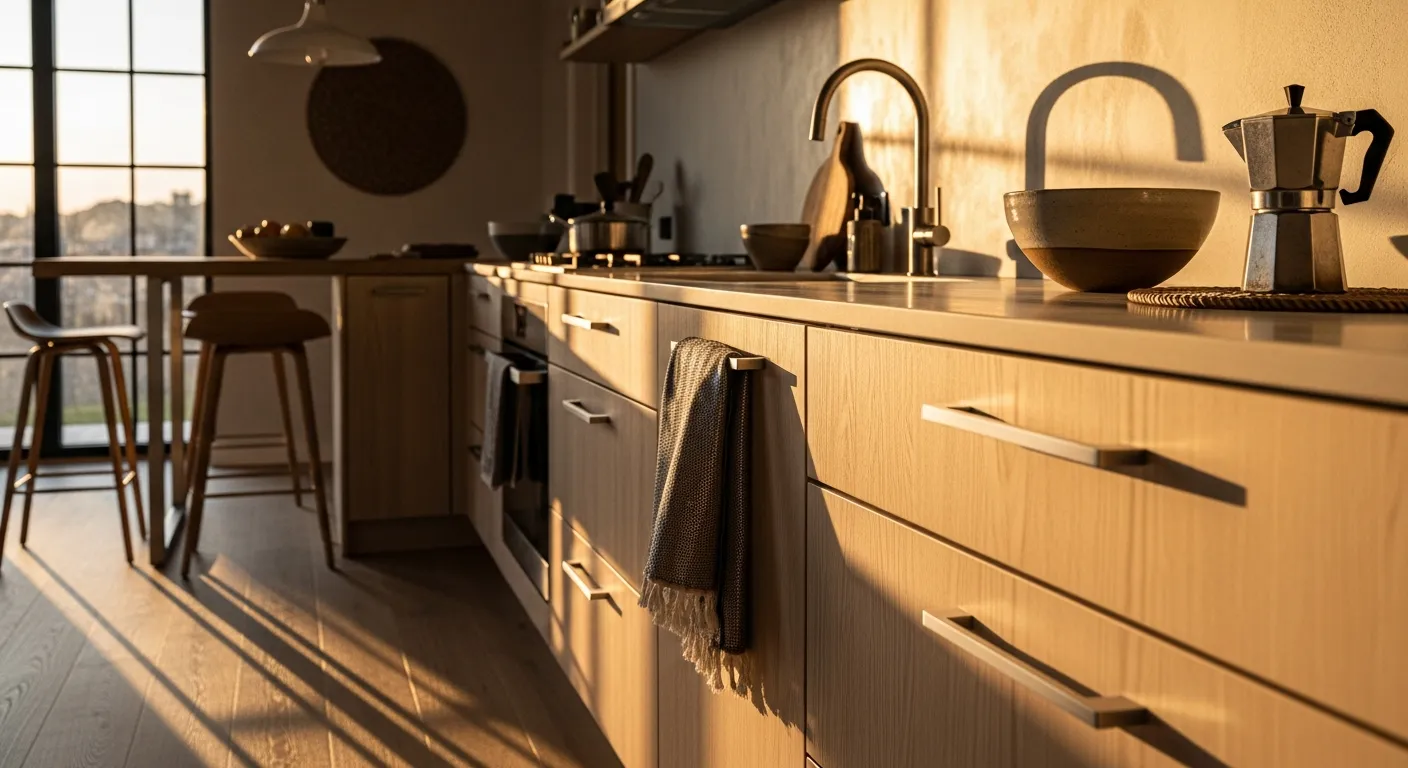
- Flat-Panel Wood Cabinetry: Opt for handleless, soft-close cabinets in white oak, ash, or birch. The lack of ornate molding keeps the visual lines incredibly clean.
- Slatted Wood Accents: Introduce vertical wood slats on a kitchen island or a feature wall. This introduces rhythmic texture without adding clutter.
- Minimalist Silver Hardware: If you prefer handles, choose ultra-slim, edge-pull silver hardware that sits flush with the cabinetry.
- Statement Bar Stools: Look for counter stools featuring woven paper cord seats and solid wood frames—a classic nod to Scandinavian craftsmanship.
- Floating Shelves: Replace heavy upper cabinets with a single, long floating shelf to display curated ceramics and let the kitchen breathe.
Color Combinations & Palette Ideas
The beauty of a silver-infused Japandi kitchen lies in its restrained yet deeply nuanced color palette. You aren’t dealing with loud pops of color; instead, you are working with a symphony of neutral, earthy undertones that shift subtly depending on the time of day.
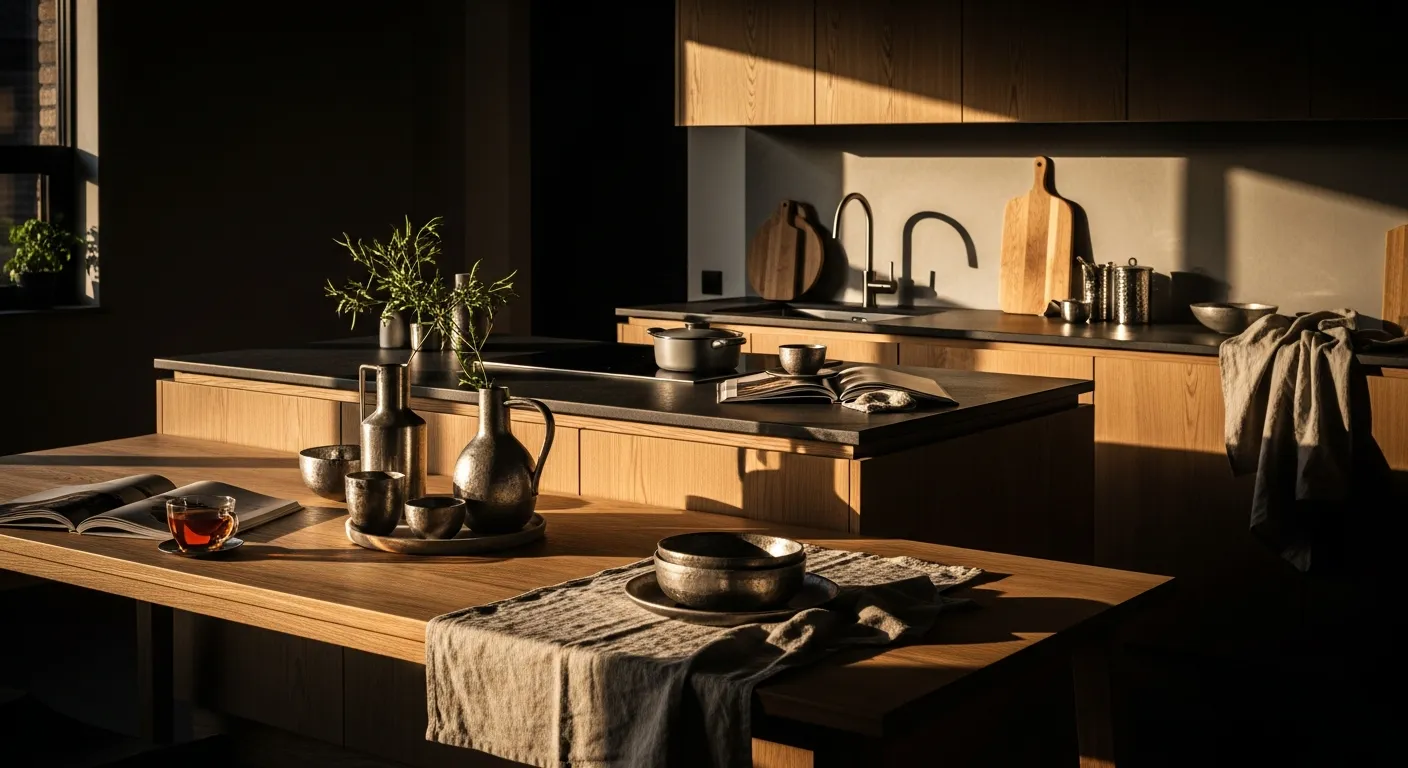
To pull this look together cohesively, focus on our extracted color palette. The cool, sophisticated gray-silvers (#B4B8B9 and #A8A9AD) are your metallic anchors. You can pair these effortlessly with warm, sandy wood tones (#E6D5C3 and #D6C7B7). To bridge the gap between the cool metals and warm woods, utilize creamy, off-white background hues (#F5F2EB and #F5F4F0) for your walls, backsplashes, and countertops. This creates a soft, diffused glow throughout the room.
Styling Tips for the Best Japandi Kitchen ideas
Bringing your Japandi Kitchen ideas into reality requires an eye for restraint. The Japanese concept of ‘Ma’—which translates roughly to negative space or the ‘space between’—is vital here. It teaches us that the empty space in a room is just as important as the space occupied by physical objects.
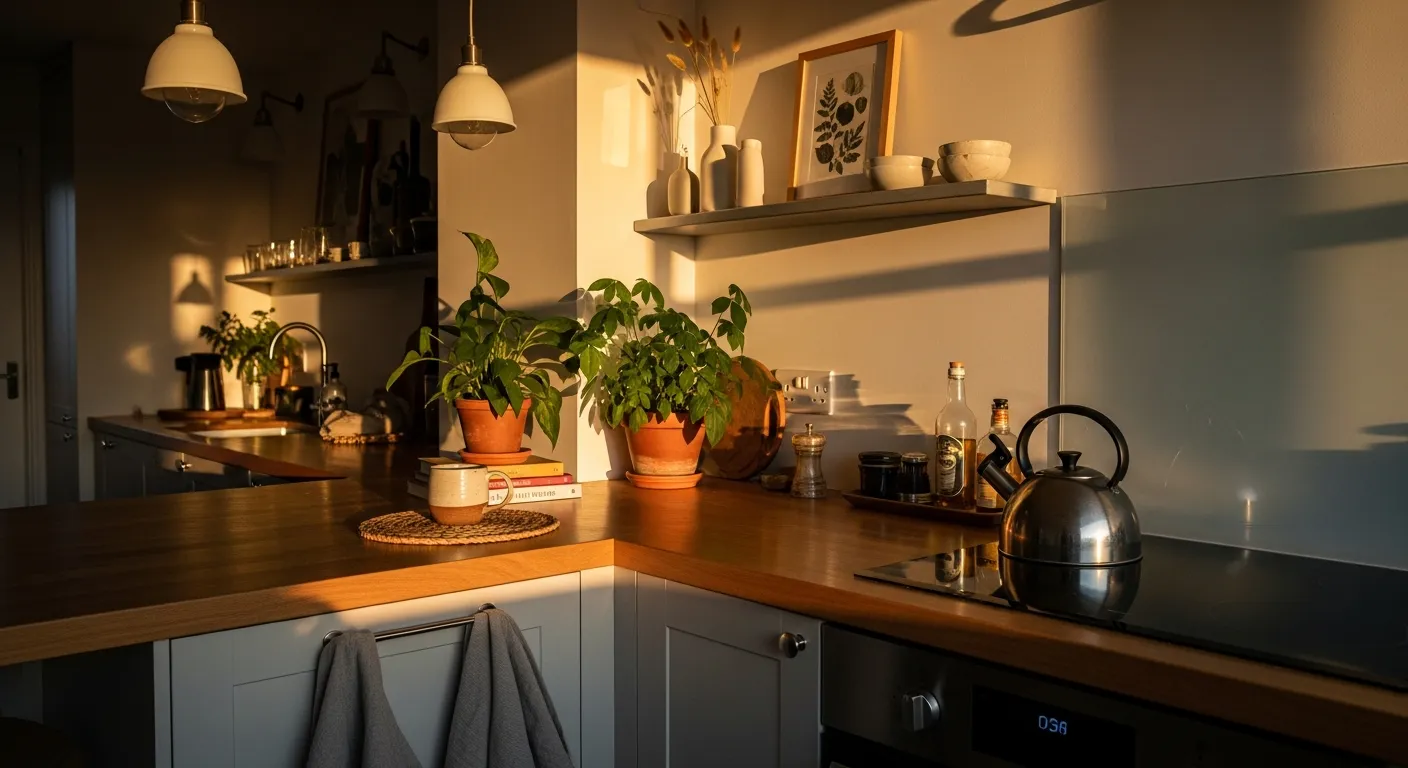
To style your space authentically, follow these guiding principles:
- Hide the Daily Clutter: Utilize appliance garages or deep drawers to store toasters, blenders, and coffee makers out of sight. Keep the countertops as bare as possible.
- Embrace Wabi-Sabi Ceramics: On your floating shelves, display handcrafted pottery. Look for bowls and mugs with organic, imperfect edges in muted earth tones.
- Add Subtle Greenery: A single, sculptural branch in a tall ceramic vase or a small, meticulously pruned bonsai tree breathes life into the room without overwhelming it.
- Soften the Lighting: Swap harsh recessed lights for a beautiful, oversized paper lantern pendant or a sleek silver architectural light fixture suspended over the island. Ensure the bulbs emit a warm, inviting glow.
- Incorporate Natural Textiles: Drape a rough-spun linen tea towel over the oven handle and place a woven jute or seagrass runner on the floor to add a tactile layer of warmth.
How to Recreate This Look (Steps + Budget + FAQ)
Transforming your current cooking area into a minimalist masterpiece might seem daunting, but it is highly achievable when broken down into manageable phases. Here is your step-by-step guide to recreating this look.
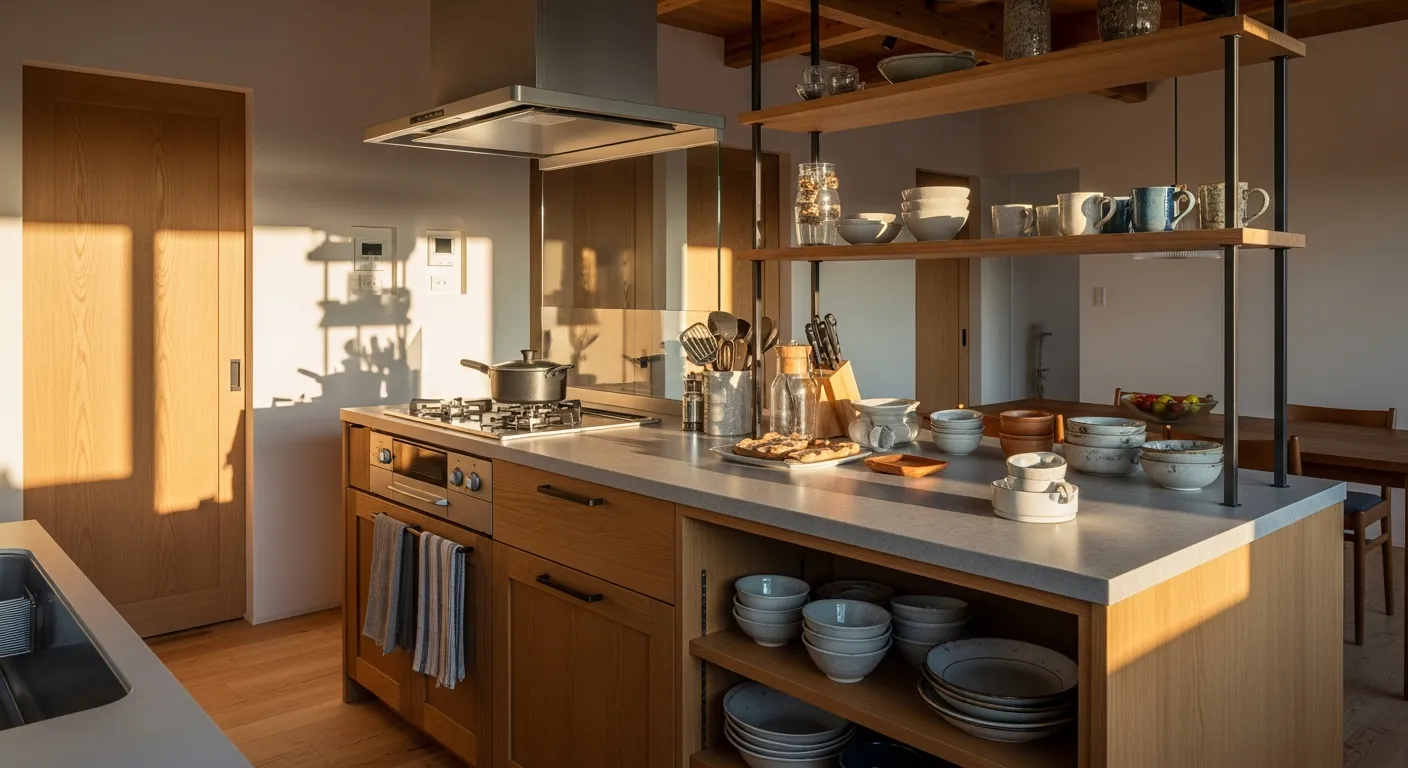
Step-by-Step Guide
- Purge and Declutter: The first step costs nothing. Clear your countertops of all non-essential items to instantly create the illusion of negative space.
- Establish the Base Palette: Paint the walls in a soft, creamy white (#F5F2EB) to serve as a luminous, calm backdrop.
- Update the Cabinetry: If replacing cabinets, opt for light oak or birch flat-panel doors. If on a budget, consider refacing your existing cabinet doors or wrapping them in a high-quality architectural wood-grain vinyl.
- Introduce Silver Touches: Swap out dark or brass hardware for brushed silver edge pulls. Upgrade your faucet to a sleek, minimalist silver gooseneck design.
- Layer Organic Textures: Introduce linen textiles, unglazed pottery, and woven wood bar stools to add depth and coziness to the minimalist foundation.
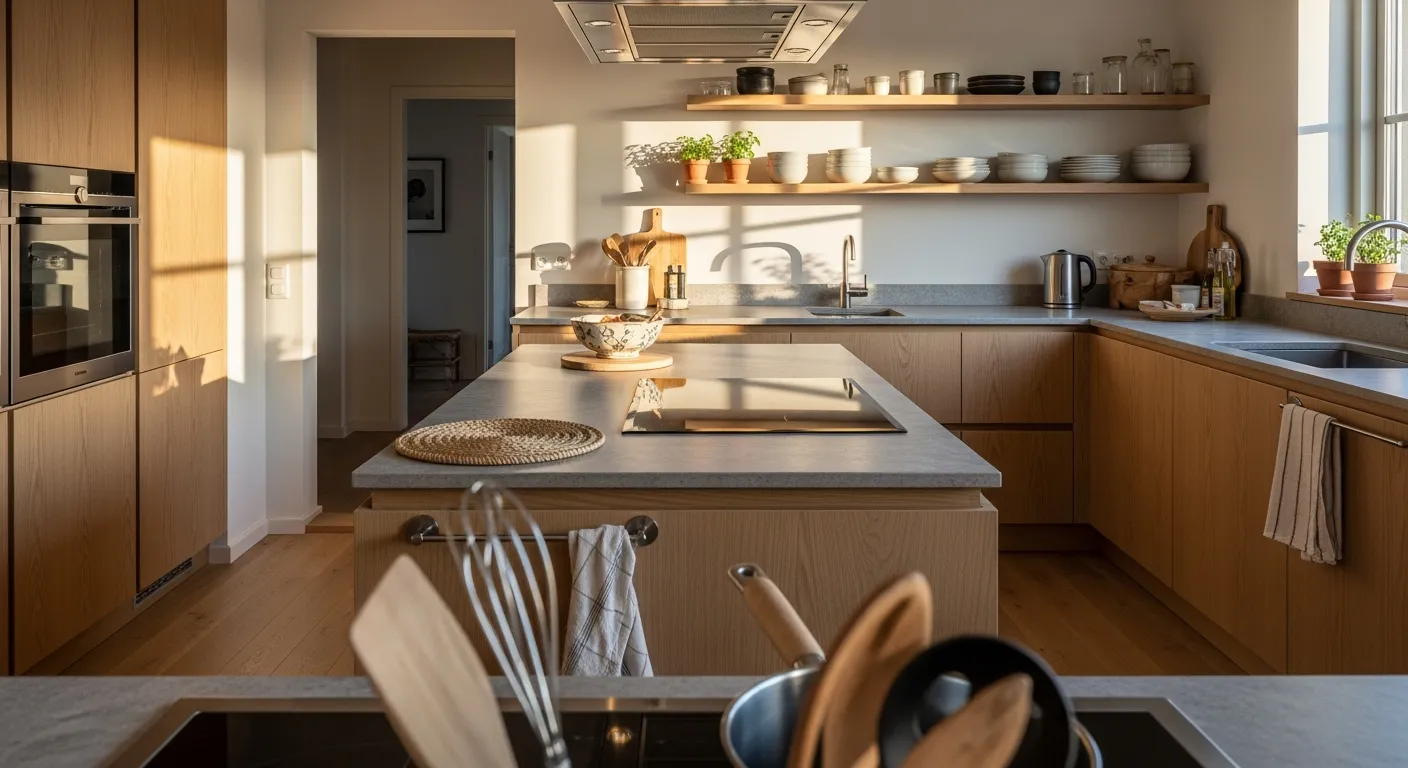
Budget Breakdown
- Low Budget ($500 – $1,500): Focus on cosmetic changes. Paint the walls, declutter, install brushed silver hardware, swap out the kitchen faucet, and buy a few wabi-sabi ceramic pieces for display.
- Mid Budget ($5,000 – $15,000): Reface existing cabinets with light oak veneer. Upgrade to sleek stainless steel (silver) appliances. Install a minimalist floating shelf and modern brushed silver pendant lighting.
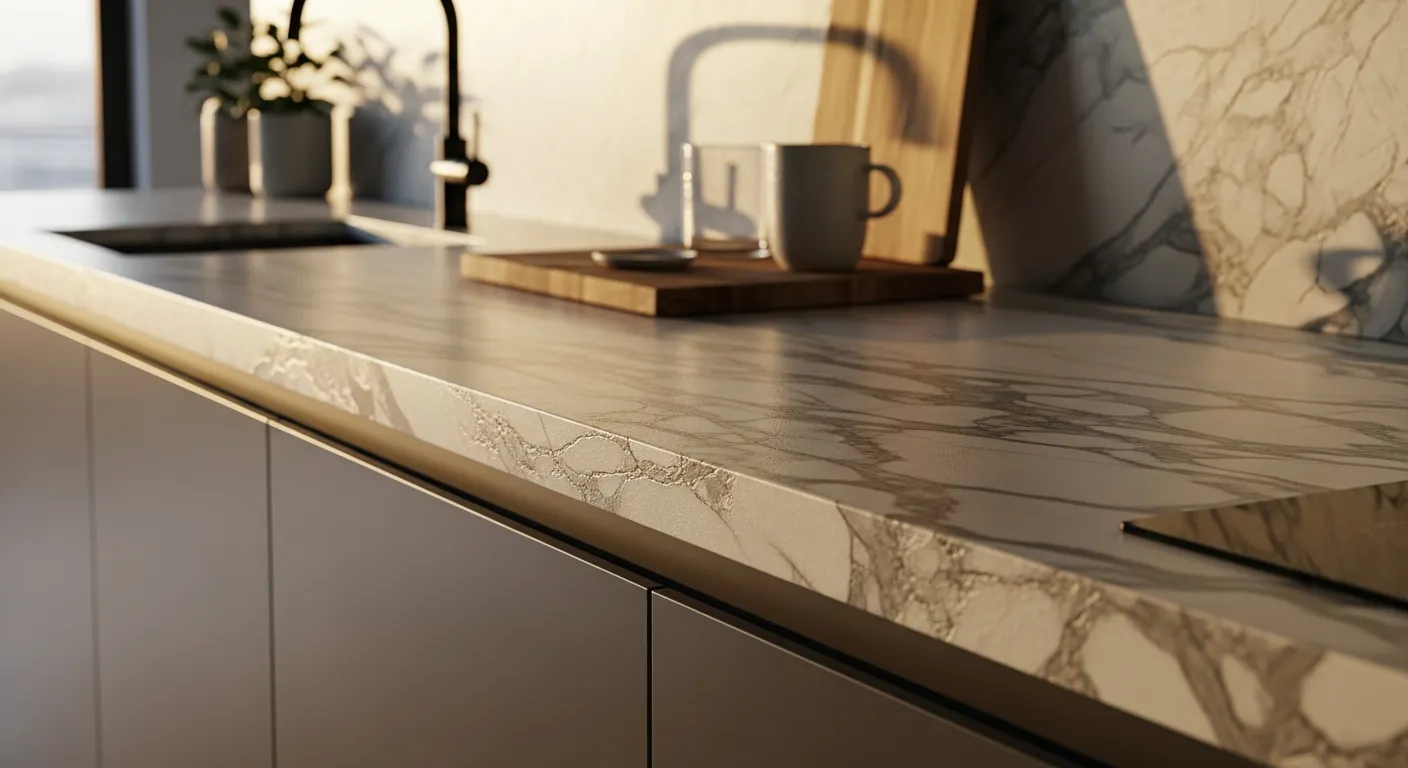
- High Budget ($30,000+): A complete tear-down. Install custom handleless oak cabinetry with integrated lighting, premium slatted wood island details, luxury flush-mount stainless steel appliances, and seamless quartz countertops.
Frequently Asked Questions
Are silver appliances going out of style?
Not at all. While other metallic finishes trend in and out, high-quality brushed stainless steel and matte silver are timeless, especially in minimalist aesthetics where they reflect light beautifully and signal cleanliness.
How do I prevent a silver and wood kitchen from feeling cold?
The secret is in the textures. Incorporate warm, dimmable ambient lighting, use fabrics like linen for window treatments or towels, and ensure your wood tones lean towards warm honey or sandy oak rather than cool-toned grays.
Can I mix metals in a Japandi kitchen?
Yes, but restraint is key. If your primary accent is silver, you can introduce a secondary metal like matte black for subtle architectural contrast (e.g., window frames or a light fixture base). Avoid mixing silver with warm metals like brass or copper to maintain the serene simplicity of the style.
Designing a space that feels like a genuine retreat from the busy outside world is the ultimate goal of the Japandi aesthetic. By consciously pairing the organic, grounding warmth of natural woods with the sleek, illuminating properties of silver, you can cultivate an environment that feels both earthy and exceptionally modern. Whether you are doing a simple weekend hardware refresh or a full-scale renovation, exploring these Japandi Kitchen ideas allows you to build a room centered on mindfulness, functionality, and enduring beauty.
Remember, this design philosophy is not about achieving absolute perfection; rather, it is about creating a space that works harmoniously with your daily life. Let the light reflect beautifully off your silver finishes, embrace the unique grain of your oak cabinetry, and enjoy the profound sense of calm that comes with a beautifully balanced kitchen.